

The Ultimate Guide to Aging Well at Home

Why you can trust SafeWise
products considered
250+
research hours in 25+ in-home tests
10k+
years of combined experience
176+
homes and people protected
10M+

For over 13 years, SafeWise experts have conducted independent research and testing to write unbiased, human reviews (not robots). Learn more.

Cathy Habas
Apr 24, 2026
Icon Time To Read16 min read

Cathy has been researching and writing about safe aging since 2021. She holds a certificate in gerontology and is one of the internet's most knowledgeable voices in senior safety tech. Her work takes a hands-on, empathetic approach.

The later years can be a joyful time in your life, but they come with unique challenges and safety risks. Of particular concern is an increased risk of falling and breaking a bone.

Before you think, "That'll never happen to me," consider that 14 million older adults have fallen in the last year. And most of them aren't falling while doing dangerous stunts — most falls happen at home during a daily routine.

If you want to age well at home (also called aging in place), preventing falls should be a priority. But you also need to think about other emergency scenarios and hidden dangers like loneliness. Our guide will walk you through important changes you may need to make to enjoy a safer and healthier life at home for many more years to come. 

1. Understand your biggest safety risks

As we get older, we face an increased risk of heart attack, stroke, falls, and more. But your overall health, medication history, family history, and lifestyle can increase or decrease these risks compared to population averages. 

Before you can age well at home, you need to understand your unique health and safety risks. Your primary care provider can help you with this. Here are some things you can ask:

  • Do any of my medications put me at risk of falling or fainting?
  • Do I have any risk factors for heart attack, stroke, or other medical emergencies?
  • What are the signs of heart attack or stroke? 
  • What are some red flags I should watch for that might make me more vulnerable to falls?
  • What do you suggest I do to stay mobile and independent? 

Review these questions with your healthcare provider periodically, especially if you start taking new medications or receive a new diagnosis. 


2. Focus on simple home modifications

Reaching a certain age doesn't mean you develop mobility problems overnight. You don't need to buy a stair lift for your 65th birthday or take other drastic measures when you're in good health. But it's important to realize that age-related risks can sneak up on you. 

Often, people realize they need to make changes around the house after they experience a scary fall. One day, you might feel confident in your ability to get from A to B. The next day, you might fall and think, "If only I had installed that grab bar!" or, "I knew I should've put grip tape on those stairs."  

You're not admitting defeat by being proactive. Think of it as self care. Focus on these areas for effective home modifications. 

Bathroom

The U.S. Centers for Disease Control and Prevention say the bathroom is the most dangerous place in the home, especially for adults aged 65 or older. You're more likely to be injured falling in the bathroom than falling elsewhere in the home. 

  • Install a grab bar to give you something to hold on to while you step in and out of the shower. Many falls happen at this time.
  • Place a non-slip mat in the shower and outside the shower.
  • Plan a way to call for help in case you do fall. Waterproof medical alert systems are ideal. 

Stairs

Studies estimate that up to 11% of falls among seniors happen on the stairs or steps.

  • Install or reinforce hand rails on all interior and exterior steps.
  • Apply non-slip grip tape to the edges of all stairs. Use a contrasting color to keep the edge of the stairs visible if you have an increased risk of vision changes.
  • Use motion-activated lights to keep stairways lit when in use.
  • Fix loose, sagging, or bunching carpets on stairs.

Bedrooms

About 25% to 30% of all falls happen in the bedroom. My own grandmother fell in her bedroom when her feet got tangled in the sheets, hitting her head on the dresser. I've also heard of people falling in the bedroom while rushing to the bathroom in the middle of the night. (Hurrying is implicated in 6.4% of falls.)

  • Make sure your mattress is easy to sit on and doesn't require you to climb onto it. Lower the legs on the bed frame, choose a lower bed frame, or opt for a thinner box spring.
  • If you can't sit on the edge of your bed and comfortably put on your shoes, make sure there's a sturdy chair nearby for such a purpose.
  • Keep clutter off the floor of the bedroom so you're less likely to trip.
  • Use motion-activated lights near the floor to light your way from the bed to the door. Poor lighting increases the risk of falls.

Kitchen

You've done it for years without anything catastrophic happening, so it's easy to forget that cooking can be pretty dangerous. 

  • Replace in-sink strainers with inserts that sit inside your stock pots. Instead of lifting a heavy pot of water, you just lift the insert.
  • Instead of draining a pot of boiling water by lifting it and pouring it into a strainer, use a stock pot with a strainer basket insert. 
  • Use a food processor if your coordination or eyesight makes it difficult to safely use a knife.
  • Rearrange cupboards to avoid overreaching, or get a sturdy step stool with a handle to help you get heavy items from the top shelves.
  • Install a shut-off device that cuts power to the stove and oven if your smoke alarm goes off. Most fire-related injuries among people 65+ are caused by kitchen fires.17 
  • Spray oil over the counter or sink, not above a floor. Any oil that settles onto the floor can create a slick patch, and you might fall.

About 41% of all house fires start in the kitchen, based on research by the National Fire Protection Association. Stop a small fire before it becomes a huge blaze by keeping a fire extinguisher on hand, and knowing how to use it.

Read about the best fire extinguishers in our buyer's guide so you can bring the best one home. Pay particular attention to the canister's weight so that you buy one that's easy to lift.

Flooring

Here are some other simple home safety modifications to think about:

  • Keep electrical cords off the floor as much as possible to prevent falls. If you have no choice but to have a cord cross a walkway, tape it to the floor with brightly colored duct tape to make sure it stays put and stays visible.
  • Swap out patterned carpets, rugs, and flooring for more solid colors to minimize a tripping hazard. "Floors that have a pattern sometimes cause those with poorer vision to feel the floor is not even," says SafeWise health expert Sally Russell, MN, CMSRN, CNE.

  • High-pile carpets can be a safety hazard for people with balance issues or who drag their feet. Consider replacing with low-pile carpet. 
  • Rugs can make smooth flooring less slippery. Just make sure they're secured with a non-slip back and don't bunch up, or they can become a fall hazard themselves. 
  • Wood porches or decks can also become dangerous if the boards warp or rot. Keep a close eye on all exterior surfaces and keep them in good condition.
  • Smooth out heaved concrete walkways so they're safer to walk on. 

Talk to a healthcare provider for personalized tips

Be sure to tell your healthcare provider if you start to have trouble getting around the house. They can recommend accessibility products to make things easier. For example, an elevated toilet seat could ease pain in your knees and prevent falls. 


3. Prep for larger modifications

Many people have no problem getting around the house as they age, but some people do experience mobility problems. Would you be able to modify your current home to meet your needs?

Here are some common challenges and things to think about when deciding how to overcome them. 

Stair lifts and alternatives

Stairs can become difficult or unsafe to navigate due to arthritis, heart disease, lung problems, etc. 

  • Option 1: Live exclusively on the ground floor. This works if you have a bathroom, kitchen, and bedroom on the ground floor.
  • Option 2: Install a stair lift to reach the upper floor. These can be expensive and aren't typically covered by health insurance, so plan how you might pay for this.
  • Option 3: Install a bathroom, kitchenette, etc. to support ground-floor living. This is likely to be more expensive than installing a stair lift.
  • Option 4: Move to a single-story home. Newer homes are sometimes designed with accessibility in mind. Depending on your situation, this could also lower your monthly expenses by allowing you to downsize, get a lower-interest mortgage, etc. You might also be able to move in with someone who has a single-story home. 

Walk-in bathtubs and alternatives

Mobility problems can make it painful or downright impossible to step in and out of a standard bathtub. Balance problems and slippery surfaces make it easy to fall. 

  • Option 1: Install a walk-in bathtub. You only have to lift your feet about 3 to 6 inches to step into one of these tubs. A true soaking tub can cost thousands of dollars, so plan how you'll pay for this change.
  • Option 2: Install a tub to shower converter kit. This involves cutting an opening into the side of your existing bathtub and covering the edges with a special threshold. It costs hundreds of dollars instead of thousands.
  • Option 3: The most affordable solution is to use a tub transfer bench. Sit on the outer edge, scoot back toward the armrest, and swing your legs one-at-a-time over the rim of the tub. Then scoot your hips over completely. You can choose to stand up or remain sitting. Exit the same way you got in. 

Ramps

Wheelchair ramps make your home more accessible. Even if you don't use a mobility scooter, walker, or wheelchair, consider getting a ramp if joint pain makes it tough to use the stairs. Ramps can be built out of wood, but you can also buy metal ramp kits. 

Ramps must have a gentle slope to allow people with wheelchairs to use them safely without tipping over. If it's impractical to add a ramp due to space constraints, consider a wheelchair lift. This is a more expensive option but may be the best solution for you. 


Take advantage of smart home devices

Smart home devices can make it easier to age well at home by promoting independence, fostering connection, protecting your health and home, adding a touch of convenience and comfort, and aiding in memory care.  

Here are our top recommendations.

1. Smart video hub

Smart video hubs are like a two-in-one smart speaker and tablet. They're great for keeping in the kitchen because you can easily display recipes, view the daily forecast and headlines with your morning coffee, or stream music, TV shows, or movies while you cook. You can also do video chats with family and friends, or pull up video footage from your security cameras. 

While there are many options to choose from, we're fans of the Echo Show series because family members can talk to you through the speaker at any time, even if you can't answer the call. They can also access the camera and pan it back and forth to help them see what's going on, which could be critical if you've fallen. A privacy shutter prevents camera and microphone access when needed. 

2. Home security system

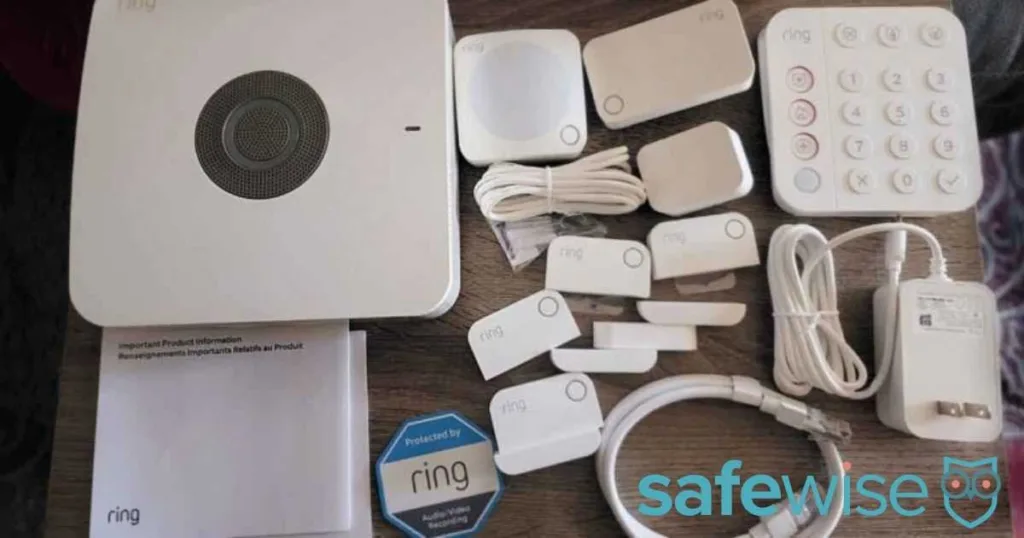
Every home security system should include the basics, like entry sensors for each exterior door and motion sensors for larger rooms and hallways. These let intruders know they’ve been spotted.

But it's a good idea to go beyond the basics. Consider a home security system with features that support the needs of people who may be living with limited mobility or at risk of falling:

  • Wall-mounted panic buttons placed in reach of the bathtub or at the bottom of the stairs allow your parent to get help if they fall.
  • A wearable panic button makes it easy to call for help anywhere in the home.
  • Visual alarm verification lets the monitoring center view camera footage so they dispatch the right emergency personnel (such as an ambulance versus a fire truck) and know what they can expect on arrival.
  • Medically trained monitors can give first-aid advice while simultaneously dispatching first responders.

Based on years of hands-on testing, we think ADT and SimpliSafe offer the best home security systems for older adults. 

3. Doorbell camera

Image you're comfy and settled when the doorbell rings. You're not expecting anyone. Should you bother getting up? Is it safe to answer the door? Perhaps it has gotten tough to see out of the peephole to check. 

A smart video doorbell offers an easy solution. By using the doorbell’s smartphone app, you can see who’s there without getting up or unlocking the door. You can even carry on a conversation through two-way audio. 

Most home security systems come with the option to add a doorbell camera. You can also buy standalone doorbell cameras, some of which require no monthly fees. 

4. Smart door lock

With a smart door lock, you can unlock the door for guests with a simple voice command or by using your smartphone. In some cases, the lock can also be incorporated into the security system so that it locks as soon as the system is armed. Or, it can be part of a home automation routine so that the door unlocks when you pull up in your car after running errands.

Pretty cool, right? But the biggest benefit of a smart door lock—especially one with a keypad—is the ability for you, a neighbor, or first responders to get into the house fast when there’s an emergency.

No more fiddling with a lockbox, looking for the hide-a-key, or trying to kick in the door. You can create a PIN and share it with trusted friends and family members so they can get in through the keypad.

Don’t forget to give the PIN to the home security or medical alert monitoring center too. They’ll share it with dispatchers in the event of an emergency.

5. Bluetooth tracker

You don't have to be a "senior citizen" to misplace your keys, wallet, or phone. It happens to all of us, and it can be stressful — especially if you live alone and don't have anyone to help with the search.

Consider using a Bluetooth tracker to find lost items quickly. You use a smartphone app to look up the tracker's location or to make it ring so you can find it by sound. Some trackers feature buttons you can press to find your phone. 


Re-think your emergency plans

Evaluate your usual emergency plans from time to time and modify them according to your changing needs.

For example, if the door to your tornado shelter is getting too heavy for you to open, consider installing gas struts to do some of the lifting for you. Or, network with neighbors to figure out an evacuation plan if you no longer drive and there's a threat of wildfire or flooding. 

Here are some other scenarios to think about.

1. Make sure you can escape a house fire

The rule of thumb for evacuating a house fire is to "move quickly and stay low." But if you're one of the 15 million adults over 65 struggling with mobility issues in the U.S., that's hard to do.  

Periodically review your fire evacuation plan. Here are some things to consider: 

  • Smoke alarms must be loud enough to wake you up. Get a bed shaker if you have hearing loss. 
  • House fires can be scary and confusing. Practice your fire drill to make it easier to remember what to do. This goes for people of all ages.
  • On average, you only have three minutes to escape a house fire. Consider installing an exterior door in your bedroom for a speedy exit. 
  • If you're unable to evacuate in three minutes, you need a back-up plan that lets you hunker down in your bedroom and stave off the fire until firefighters arrive.
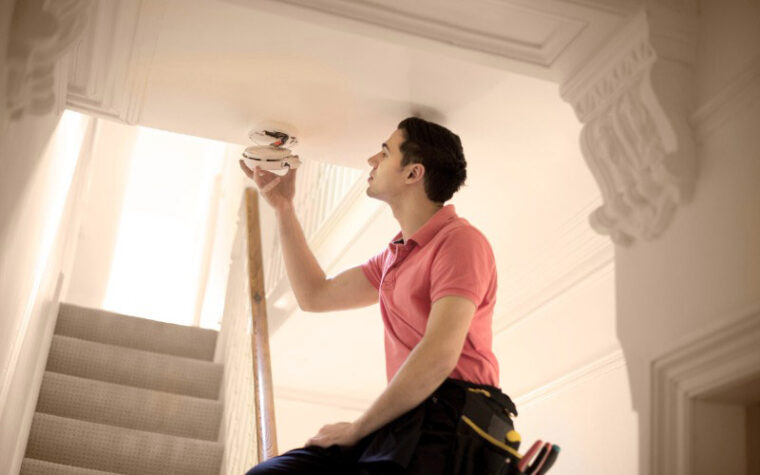
    • Sign up for a smoke alarm monitoring service so that the fire department is dispatched as soon as possible. 
    • Keep a fire blanket within reach of your bed and practice wrapping yourself in it.
    • Keep a lightweight fire extinguisher within reach too and use it to keep flames away from your door. 
    • Beware the dangers of exposing oxygen canisters to flames. Don't take them with you during your evacuation. 
  • Some home renovations can make your bedroom as fireproof as possible:
    • Install a sprinkler system.
    • Install a fire door.
    • Use mineral wool insulation inside your walls, between floor joists, and in the attic. 
    • Paint the walls with flame-retardant primer and paint. 
  • Make sure all exits out of your home are safe, whether that means they have a ramp, railing, or non-slip surface. 
Bell
Be extra careful if you smoke

Most house fires in which older adults perish were started by a simple cigarette (or other smoking paraphernalia).

If you smoke, be extremely cautious about smoking in bed, around oxygen tanks, or around gas stoves. 

2. Don't leave yourself vulnerable to burglary

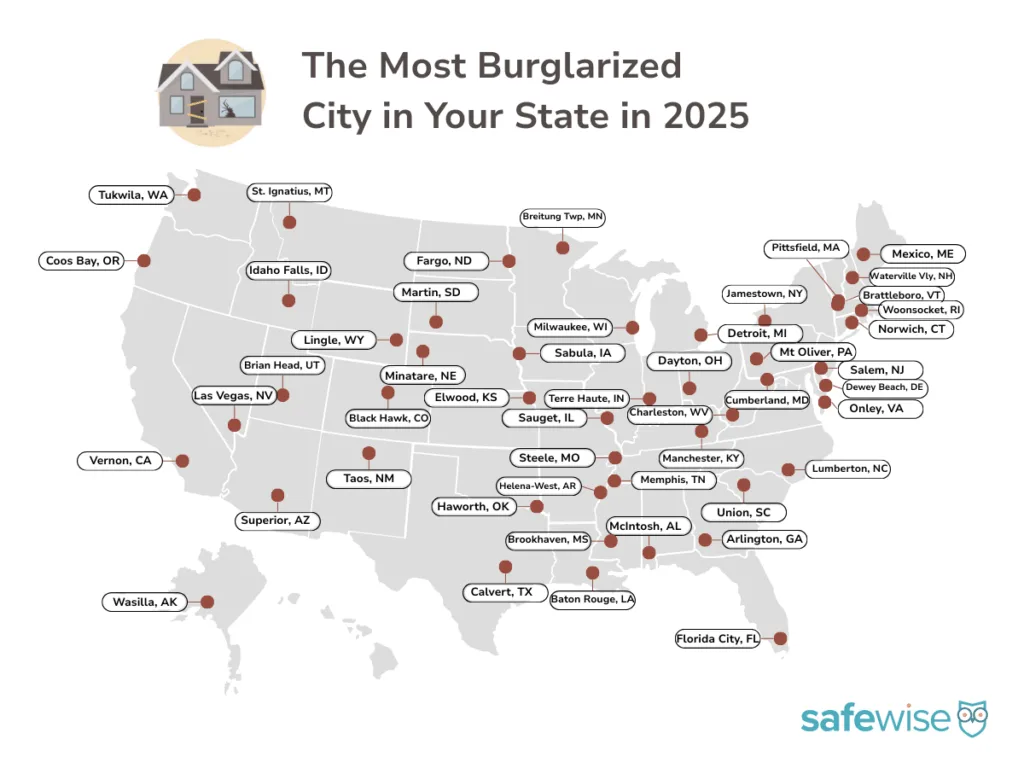
Here's some good news — the risk of burglary decreases with age once you turn 50. People aged 80 and older are nearly ten times less likely to experience a home burglary compared to people in their 30s. 

This may be because burglary is often a crime of opportunity, and most people won't enter a home to steal something if they believe someone is there. So if you're an older adult aging at home, you're an inconvenient target.

That said, burglaries can happen to anyone, and some people may feel motivated to break into your home if they know you have valuables. Some home burglars also use a "smash and grab" technique, which involves breaking a window or door and swiping whatever's in reach before fleeing the scene.

To discourage this kind of burglary, make sure you don't keep jewelry, medication, guns, electronics, or other valuable items sitting out in the open near your windows. Anything that's too important to lose should be locked up in a home safe

3. Get a medical alert system

Few people realize they need a medical alert system until something scary happens and they wish they'd had one. We hope you won't wait that long. As a rule of thumb, if you live alone or spend a lot of time alone, are 65 or older, and have at least one medical condition that puts you at a greater risk of falling or having a medical emergency, it's time to start thinking about a medical alert device. 

Medical alerts run the gamut from traditional Life Alert-esque systems to full-fledged smartwatches and smart speakers. The best choice is one you'll actually use, so make sure you're comfortable with how it looks, feels, and works. 

Although you may feel like your smartphone is enough, there are times when it won't be within reach or it may be difficult for you to get it to work. A medical alert device provides a one-touch solution. You just need enough strength to squeeze a button. If you buy a device with fall detection, it can automatically place a call for you if you fall. 

4. Leave care instructions

If you do have a medical emergency, leave care instructions for first responders. A commonly used document is the Vial of Life, which is kept on the fridge and contains information about current medications, medical history, preferred doctors, and emergency contacts. 

Smartphones and smartwatches also give you the option to share similar emergency data. Instead of typing in your PIN, the first responder taps the emergency icon to see whatever information you've agreed to share.

You may also want to wear a medical ID bracelet with crucial contact or health information.


Stay social and stimulated

According to the University of Michigan National Poll on Healthy Aging, one third of U.S. adults aged 65 and older feel lonely. This is a big deal because loneliness can lead to poor mental and physical health. Surrounding yourself with people you care about — and who care about you — can make your life healthier and more enjoyable. 

1. Maintain relationships

Those relationships you’ve built from your years in school, the military, or previous jobs are valuable. Don’t be afraid to reconnect with old friends from the past. Chances are they’d love to hear from you. 

Maintaining these connections will ensure that you have loved ones to laugh with and plenty of memories to go around — whether in person or through holiday cards, emails, texts, video chats, or social media.

2. Make new friends

Making new friends can feel challenging, but these new connections can keep you active, connected,  and happy. It also widens your potential support network in case you ever need a hand.

Find local meetup groups based on your interests through your place of worship, local library, or another community center. Find activities through exercise groups or enroll in classes to learn new skills and meet others. Volunteering is another great way to meet new people, stay active, and maintain a purpose. 

You can also turn to the internet to meet new friends. There are message boards, online book clubs, and online communities for almost any interest out there. From genealogy to woodworking, you can meet others around the world who share your interests.

Bell
Avoiding scams online

All that extra screen time can put you in the line of sight of online con artists who target older adults with clever online scams. But don’t let them scare you off. Familiarize yourself with common scams targeted at seniors to avoid trouble.

3. Keep your favorite hobbies

Whether it’s gardening, watching sports, or reading about history, don’t let your hobbies fall by the wayside. Staying mentally and emotionally stimulated feeds your brain and keeps you motivated.

4. Stay active as long as possible

You don’t need to be an athlete to stay active. Even a simple evening walk after dinner or an exercise class can keep your blood pumping and bones healthy. “Walking is one of the best things you can do because it forces calcium out to the bones,” says Russell. 

Consider joining a group fitness class or a local gym to stay in shape and interact with others. Talk to your doctor to find out how much exercise you should aim for each week. 


Connect with caregivers early

You might feel completely independent right now. But eventually you may need some sort of care, even if it's as simple as getting a ride to a doctor's appointment. 

So, who's in your care circle? 

  • Who do you trust to make healthcare decisions on your behalf?
  • Who could stay with you after surgery?
  • Who could you call if you fell and needed help standing?
  • Who might get you out of the house to do something fun? 

If you're not sure who would fulfill those roles, you're a "solo ager," and you've got work to do. It's time to make connections and reach out to people to make sure they'd be willing to help you when needed.

In some cases, you may even need to do a bit of paperwork. A healthcare proxy, for example, is someone you've legally allowed to advocate for you in a healthcare setting if you're unable to do so yourself. 

You also may want to think about alternatives to aging in place and what situation you prefer. Some people may want an in-home caregiver, while others may feel an assisted living facility makes more sense for their situation. 

Making these decisions now and preparing for the future will give them confidence that they’re providing the level of care you want. Don't forget to also do some financial planning to make sure you can live comfortably and safely for a long time. 


Plan a new mode of transportation

You may be perfectly capable of driving right now, but one day you may need to hang up your keys for good. Driving can become dangerous (for yourself and for others on the road) when you experience certain visual, physical, and cognitive changes.

This can be a difficult transition. Some people feel like they're losing their independence when they can no longer drive. It may help to outline a plan well ahead of time.

  • When will you agree to stop driving? Would you prefer a doctor's recommendation? Or will you trust a specific person to tell you when enough's enough?
  • How will you get around? Will you coordinate with a friend? Take the bus?

These days, there are plenty of rideshare and transportation programs to choose from, including those designed specifically for doctor's visits or older adults. You may also be able to rely on delivery services for groceries and other essentials.

Sometimes a gradual transition is best. If you've never taken public transportation before, try it while you feel healthy and capable. It will feel less intimidating or foreign when you know what to expect. Or, start carpooling to the grocery store with your friend or neighbor every few weeks so you know you have the option going forward. 

Checklist
Our experts on staying independent longer

Being active mentally and physically can help you stay independent longer. “Walking is one of the best things you can do because it forces calcium out to the bones,” says SafeWise health expert Sally Russell, MN, CMSRN, CN. Just walking a little bit every day can help you avoid fractures and bone issues down the road. 

Russell also suggests reading the paper and watching the news to stay engaged with life outside your home.


Enjoy life

The most important thing you can do to age well is to enjoy your life. Many people remain healthy, active, and independent for a very long time. Although certain health conditions become more common with age and there are unique safety concerns to consider, nothing is inevitable.

A recent study by Yale University suggests that your attitude about aging can predict whether your physical and mental health will improve or decline with age. People with positive attitudes about aging actually saw their health improve over the course of the study. 

Now is not the time to put your feet up and wait for the end. Instead, find what brings you joy. Explore new hobbies, find a way to make a difference in your community, meet new people, or go do all the things you never really had time for when you were younger.

Life may be different at this stage, but it doesn't have to be bad. Go live!

Cathy Habas
Written by
With over 12 years of experience as a content writer, Cathy has a knack for untangling complex information. Her natural curiosity and ability to empathize help Cathy offer insightful, friendly advice. She believes in empowering readers who may not feel confident about a purchase, project, or topic. Cathy earned her Bachelor of Arts degree in English from Indiana University Southeast and began her professional writing career immediately after graduation. She has focused on family safety, home guides, and health content since 2021 and earned a gerontology certificate to learn more about the medical side of senior safety. Over the years, Cathy has contributed to sites like SELF.com, SingleCare, My Health Teams, Safety.com, Reviews.com, Hunker, Popular Living, and Thumbtack.

Recent Articles

older couple sitting on couch with computer
The Ultimate Guide to Aging Well at Home
Cathy has been researching and writing about safe aging since 2021. She holds a certificate...
SW_Article_Medical Alerts with the Best Battery_Featured image with logo
Best Medical Alert Systems 2026
We researched the best medical alert systems of 2026 to find reliable options that can...
older-hispanic-couple-hiking
The Best Fall Detection Devices
Find the best medical alert systems with fall detection. Compare equipment, price, accuracy, customer reviews,...
A teenager sitting in a bedroom at night, looking at a smartphone with multiple notification icons floating above.
Jury Finds Meta and YouTube Negligent in Landmark Social Media Addiction Case
Meta and YouTube were found negligent in a landmark addiction case. Here’s why it matters...