The Best Fall Detection Devices

We've chosen the top fall detection systems from a list of over 75 contenders.
SafeWise pick
Medical Guardian
4 out of 5 stars
4
Starts at$39.95/mo.*
  • pro
    Professionally monitored
  • pro
    Four fall detection devices
Best for no monthly fees
Apple Watch 4
Apple Watch Series 4 and up
4 out of 5 stars
4
Starts at $0.00/mo.
  • con
    No professional monitoring
  • con
    Requires an iPhone
Best traditional system
HomeSafe with AutoAlert
Lifeline HomeSafe
4 out of 5 stars
4
Starts at$27.95/mo.
  • pro
    Professionally monitored
  • pro
    Landline and cellular options
Best for budgets
LifeFone at-home landline medical alert system
LifeFone
4.5 out of 5 stars
4.5
Starts at$29.95/mo.
  • pro
    Professionally monitored
  • pro
    Fall detection starts at $5/mo.

*Including $10/mo. for fall detection.

†$39.95 Medical Alert starting price with annual plan paid up front. Month-to-month plans start at $47.95/mo.

Why you can trust SafeWise
products considered
250+
research hours in 25+ in-home tests
10k+
years of combined experience
176+
homes and people protected
10M+

For over 13 years, SafeWise experts have conducted independent research and testing to write unbiased, human reviews (not robots). Learn more.

Cathy Habas
Mar 30, 2026
Icon Time To Read12 min read
Icon CheckReviewed ByRebecca Edwards

Cathy, a Safe Sleep Ambassador, specializes in family safety, simplifying complex topics for trusted sites like Safety.com with 8+ years of writing experience.

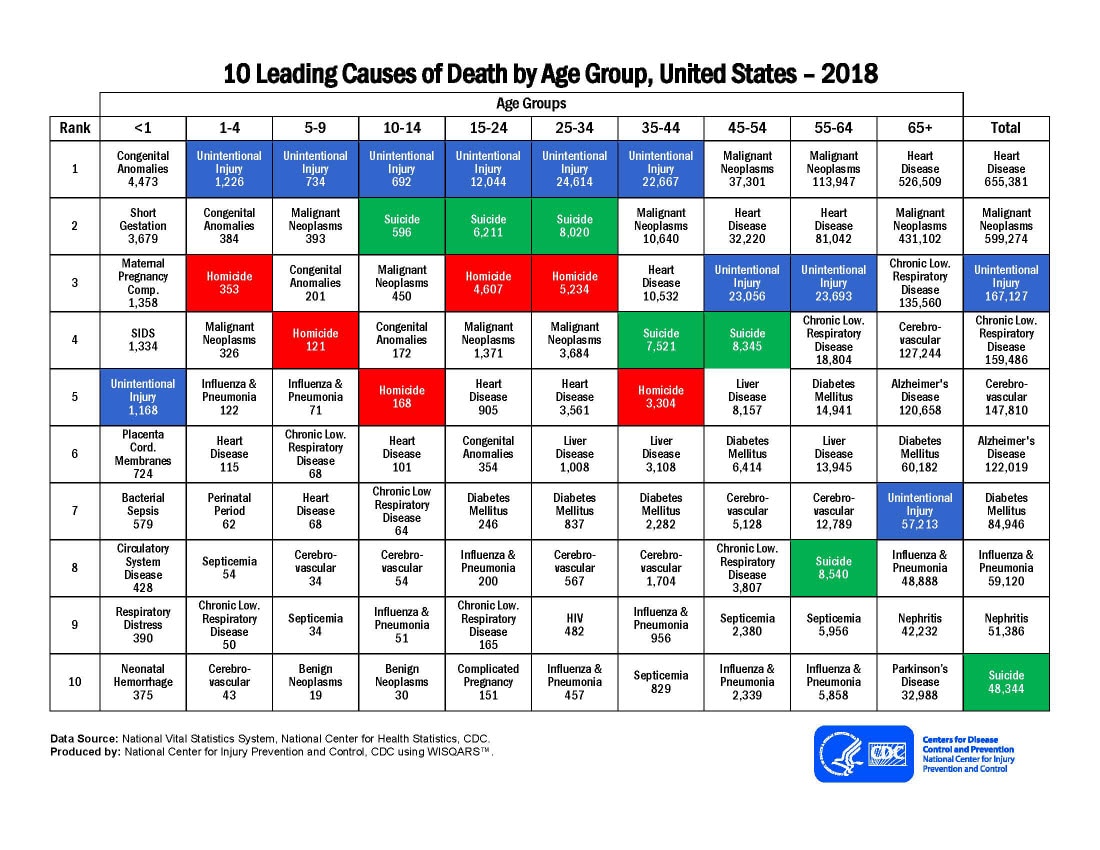
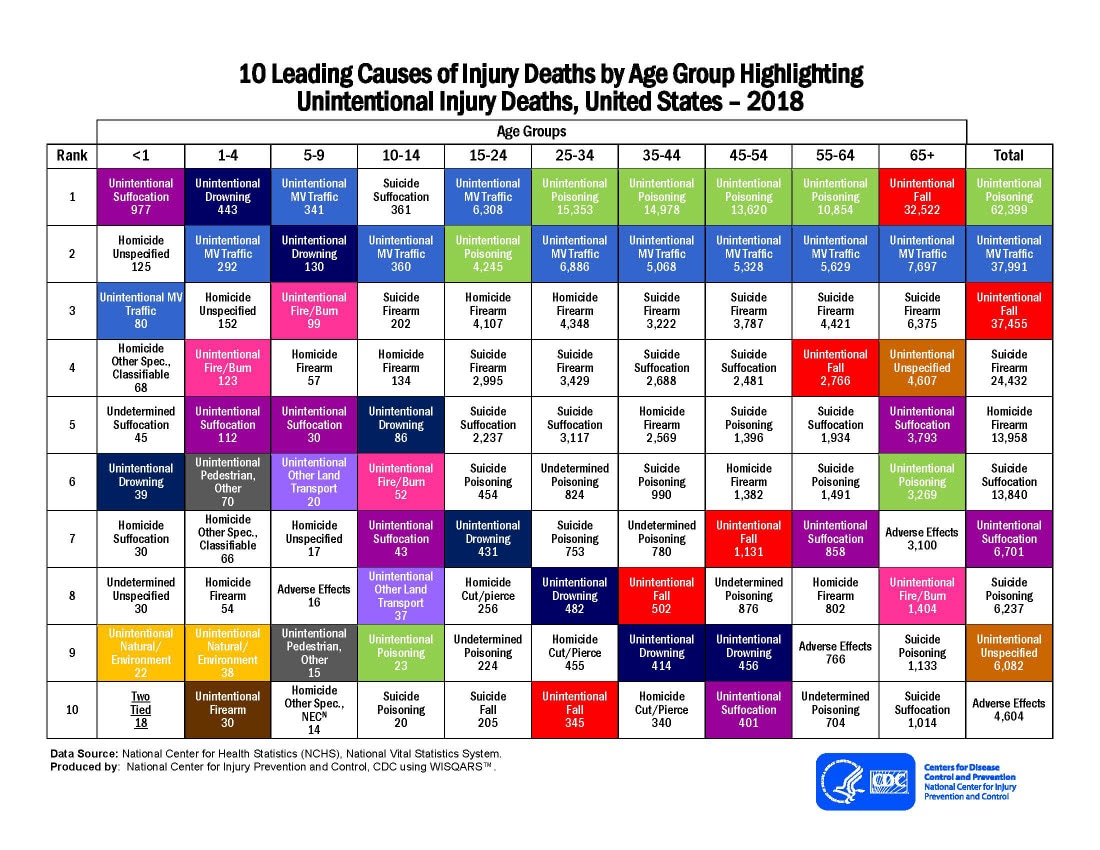
Automatic fall detection is a feature found in all of our best medical alert systems. This tech calls for help if you fall so you can get help right away. Falls are the number one cause of injuries for Americans over 65, so it's good to be prepared.¹

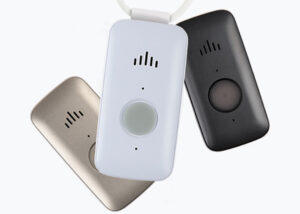
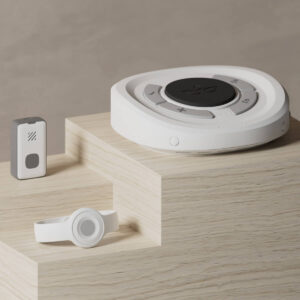
We like Medical Guardian's lineup of fall detection devices best. You have four options to choose from, including a smartwatch. All are backed by Medical Guardian's outstanding professional monitoring service. 


Icon Light Bulb  Dark
How does fall detection work?

Fall alert devices contain a sensor called a triaxial accelerometer. It measures speed, distance, and direction.

The accelerometer is programmed to recognize a certain pattern of movement:

  1. Rapid downward acceleration (the fall)
  2. An abrupt stop (contacting the floor)
  3. A brief period of no movement (meaning you may be unable to call for help yourself)

When fall detection devices detect these conditions, they typically vibrate, make a noise, or announce "Fall detected." Sometimes you'll have the option to cancel a false alarm. Other devices automatically place a phone call every time a fall is sensed.

What happens next depends on the type of medical alert you have.

→ If your device is connected to a professional monitoring center, an agent receives the fall alert and starts talking to you through the device’s two-way speaker. If you don’t respond, they’ll dispatch emergency responders to your GPS location to make sure you’re okay.

→ If your device is not connected to a professional monitoring center, two things may happen:

  1. A loved one receives the fall alert. It’s their job to try to reach you or call 911.
  2. The device dials 911 directly.
con
Is automatic fall detection technology 100% accurate?

No, fall detection systems are never 100% accurate. It’s possible to fall slowly and softly, which won't trigger the device’s sensors. For example, leaning against a wall and slowly dropping to the floor may not register as a fall.

If the device doesn't automatically place a call, push the device’s panic button to make sure you get help. Consider using back-up systems like motion sensors or indoor security cameras to check on high-risk loved ones. 


Compare the best medical devices for fall detection

Brand
Best for
Starting monthly price
Fall detection cost
Equipment cost
Who gets notified
Fall alert technology
Learn more
SafeWise pick$10/mo.$149.95Pro monitoring center•Tri-axial accelerometer
•Radio frequency
Best for no monthly feesIncluded$104.19911,
Loved ones
•Tri-axial accelerometer
•Gyroscope

Best traditional system

Included

Free leasePro monitoring center•Tri-axial accelerometer
•Barometric sensor
Best for budgets$5/mo.Free leasePro monitoring center,
Loved ones
•Tri-axial accelerometer

Info current of post date. Offers and availability may vary by location and are subject to change. Read full disclaimer.

Light Bulb
Save money and stay connected with an AARP membership

With an AARP membership, you can get a 15% discount on a Lifeline medical alert system, in addition to discounts on hotels, restaurants, prescriptions and more. You also get the AARP magazine and access to virtual learning programs as well as connect with other AARP members in your community.

Best fall detection system reviews

1. Medical Guardian: SafeWise pick

SafeWise pick

Medical Guardian's personal emergency response systems are highly customizable, with rates starting at around $37  a month (including fall detection) and no contracts or startup fees. Plus, the signal range for most of their devices is among the best in the business.

Medical Guardian offers fall detection in devices that can be worn on the wrist or around the neck. The company offers a variety of plans, all of which can be upgraded with fall detection technology.

Medical Guardian is one of our top picks if you want to tailor your medical alert to your preferences, including fall detection.

pro
Pros
pro Wearable and non-wearable options
pro 14-day full refund period
pro Voice-activated system
pro Five Diamond Certified monitoring center
con
Cons
con No price lock guarantee
con No free warranty
Notepad

We cover more about Medical Guardian’s pricing, equipment, policies, and more in our full Medical Guardian review.

2. Apple Watch: Best for no extra monthly fee

Best for no monthly fees
Apple Watch 4
Apple Watch Series 4 (and Newer)
4 out of 5 stars
4
$104.19(refurbished)

Amazon.com list price as of post date. Read full disclaimer.

The Apple Watch is a fantastic option for people who don't face a high risk of falls but nevertheless want emergency protection. The Apple Watch calls 911 when it detects a hard fall and you don't move for one minute. It also sends an alert to everyone listed as an emergency contact in your Medical ID profile, along with a link to your GPS location.

These calls can be cancelled if needed, and you can turn off fall detection in the watch's settings if you're ever worried about triggering a false alarm. Just don't forget to turn it back on!

pro
Pros
pro No monthly fees
pro 2 fall detection sensors
pro Optional professional monitoring
pro Tracks other health data
con
Cons
con Expensive up-front cost
con Compatible only with iPhone

No more pro monitoring

Unfortunately, professional monitoring is no longer supported on the Apple Watch. Based on instructions you provide ahead of time, professional monitors can call specific caregivers at certain times of the day or ask emergency responders to take you to a specific hospital for treatment. They're also more lenient about false alarms than 911, so you don't have to worry about fines.

You probably don't need professional monitoring if you don't have a specific medical concern that puts you at a higher risk of falls. If you want a low-cost solution that can call for help if you ever fell off a ladder or off your bike, the Apple Watch delivers. And because it has so many other features and apps, you'll never feel like you're wearing a medical device. 

Which Apple Watches have fall detection?

We recommend the Apple Watch Series 4 since it's often the most affordable model on the market, but any Apple Watch released after Series 4 — including the Apple Watch SE — has built-in fall detection. Don't forget to turn on fall detection mode in settings and to set up your Medical ID profile.

Learn more in our full Apple Watch review.

3. Lifeline AutoAlert to Lifeline HomeSafe: Best traditional fall detection system

Best traditional fall detection system
HomeSafe with AutoAlert
Lifeline HomeSafe
4 out of 5 stars
4
Starts at $27.95/mo

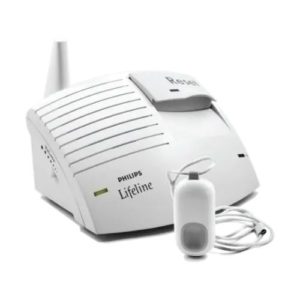
Lifeline (formerly Philips Lifeline) is one of the few companies that includes fall detection in a majority of its plans without extra monthly fees. Whether you want protection at home or when you’re out and about, Lifeline offers hassle-free fall protection.

pro
Pros
pro Fall detection in most packages
pro AutoAlert technology calls for help
pro In-home and on-the-go options
pro Landline/cellular coverage available
con
Cons
con Expensive monitoring fees
con Installation fee
con Activation fee

All-inclusive medical alert device

A lot of medical alert systems offer fall detection only as an extra emergency pendant, which means you may have to wear multiple devices throughout the day. With LifeLine, you need only one emergency device to cover medical needs and falls.

It’s water resistant for showering and bathing, comes with a free battery replacement, and has a 600-foot range from the communicator base.

Pricey but worth it

Lifeline systems seem pricier than the competition, but in reality, they're in the same ballpark as the other medical alert companies on our list. Lifeline just happens to give straightforward fall detection pricing.

Other companies give a monthly price without fall detection, which makes them seem cheaper at first glance. Once you add in those extra fall detection fees, Lifeline doesn't seem so bad. Plus, AARP members get up to 15% off Lifeline systems.

But we've noticed that Lifeline adds extra fees (like one for self-installation) to the checkout process. Expect to pay at least $70 for activation, shipping, and installation. 

Why we recommend Lifeline

With over 40 years in the business, Lifeline recognizes how important fall detection is for its customers (literally lifesaving).

That’s why most of its equipment comes with this feature already built in. An all-in-one fall alert system like this means less to remember and more time to enjoy your day.

We also appreciate that Lifeline is candid about its automatic fall detection technology and testing process. The team seems dedicated to continuous improvement.

Read our in-depth review of Lifeline to get the full scoop on this medical alert system, its pricing, packages, and other features.

4. LifeFone: Best for Budgets

Best for budgets
LifeFone at-home landline medical alert system
LifeFone
4.5 out of 5 stars
4.5
Starts at$29.99/mo

Info current as of post date.  $29.95/mo. if paid monthly; $24.95/mo. if paid annually.

LifeFone offers both traditional and modern medical alert options, including a smartwatch. But our favorite thing about LifeFone is its $5 per month fall detection—that's about half of what you'll pay to add fall detection to most other systems.

Lifefone also makes it easy to take care of your spouse, offering an additional pedant and monitoring service with no extra charges. However, you will pay another $5 per month is your spouse also wants fall detection (but that's like getting two for one, when it costs $10 per person with other brands).

Learn about everything LifeFone has to offer in our full review.

pro
Pros
pro No contracts
pro Excellent signal range
pro Robust caregiver resources
pro Free spouse coverage (fall detection $5/mo.)
con
Cons
con No caregiver app with in-home system
con No voice activation

5. Aloe Care Health- Best all-inclusive fall detection

Best caregiver connections
Aloe Care Health Essentials Plus
4.5 out of 5 stars
4.5
Starts at$39.99/mo

Info current as of post date. 

Aloe Care Health's Essentials Plus package includes a rare device: a wall-mounted fall sensor, the Smart Hub. It's perfect for people who don't remember to wear traditional fall detection pendants—or who simply don't want to.

The wall unit is also voice-activated and has a built-in emergency button, so all of your bases are covered. And because it's only available in Aloe Care Health's premium package, you also get the smart hub (also voice-activated) and the Mobile Companion—which also includes fall detection at no extra charge.

pro
Pros
pro Several ways to get help
pro Robust caregiver app
pro Non-wearable fall detection
pro Voice activated system
con
Cons
con Equipment fees
con Late fees
con No equipment customization

Best home medical alert system for bathroom safety

Aloe Care Health recommends placing the fall detection sensor in the bathroom since older people often slip in or around the tub, but in theory, you could put it anywhere in the home.

As part of the Essentials Plus package, you’ll have the Smart Hub, accessories, and a mobile device that can be worn on the wrist or as a necklace.,

All of it is monitored for $39.99 per month with no extra fall detection fees tacked on, but you'll also have to part with about $250 upfront just to get the equipment.

We also like that caregivers are kept in the loop in real time. Through the Aloe Care app, they'll know exactly when a fall was detected and get a play-by-play of your conversation with the professional monitoring center.

Learn more about this innovative tech in our full Aloe Care Health review.

How to prevent falls

Falling can be painful and may even lead to broken bones and hospitalization. You can reduce your risk of falls by taking preventive measures. 

1. Talk to your doctor

It's not just a line from a pharmaceutical ad — talking to your primary care doctor is critical to understanding your fall risk factors. 

  • Chronic conditions like diabetes, thyroid disorders, heart problems, and nerve damage (to name just a few) can affect your coordination, balance, and gait.
  • Your medication might also have side effects like sleepiness, dizziness, reduced muscle strength, or temporary disorientation that can lead to a fall.

Preventive care for your body is one of the smartest things you can do to prevent a fall. At your next physical assessment, say, "Okay, doc. I've heard that people fall a lot when they get to my age. What are my risks?"

  • Ask if any of your health conditions or medications might mess with your balance and what you can do about it.
  • Get your annual physical, and have your vision, hearing, and blood pressure checked regularly.

When your doctor knows these things are important to you, they'll be more likely to help you select medications and treatments that will keep you mobile and active for longer.

2. Create a fall-free home

Reduce fall hazards and make your space easier to navigate with these easy changes:

  • Secure rugs with nonslip carpet pads.
  • Install grab bars in bathtubs and showers.
  • Affix nonslip decals to slippery surfaces.
  • Add motion-activated night lights to halls and stairways.
  • Keep traffic paths free of clutter.
  • Make sure handrails are secure.
  • Wear shoes, slippers, or socks with nonslip grips on the bottom.
  • Keep up on landscaping and other outside maintenance like fallen leaves and snow removal.


3. Dress for success

Before you have to trade your favorite dress or slacks for a hospital gown after a fall related injury, consider a more practical wardrobe. Think good grip and good fit.

Make sure your footwear is secure (time to bid farewell to flip-flops) and has a sturdy sole with good traction. If you’re a creature of comfort and prefer stocking feet around the house, consider wearing socks with grip treads on the bottom.

Wear clothes that fit well, don’t drag on the ground, and stay out of your way when you move.

Icon Light Bulb  Dark
Looking for slip-resistant shoes?

Do a Google search for “restaurant shoes.” Because restaurant workers are likely to encounter slippery situations, they’re required to wear shoes with good grip. Your search should turn up comfortable shoes in a variety of styles.

4. Get active

Why on earth would you want to get up and move more if you’re worried about falling? We know it seems counterintuitive, but older individuals who engage in physical activity through community exercise classes find that they enjoy better balance and are 35%–40% less likely to suffer a fall.1

In fact, evidence-based fall prevention programs are designed specifically for older adults who are concerned about their risk of falling.

  • If you want to take the more traditional fitness route, check your community for gentle mindfulness exercise classes like tai chi or yoga.
  • For evidence-based fall prevention training, look for programs like Stepping On or the Otago exercise program, which are designed specifically for older people. You don’t even have to be steady on your feet to participate.
  • Classes like A Matter of Balance let you do all of your exercises sitting down to ensure your comfort and safety as you participate. These classes also teach specific strategies to minimize your risk of falling so you can learn about the little things you can do every day to protect yourself against falls and increase your mobility.

5. Be aware

Sometimes, staying safe and preventing falls is just using common sense.

  • Take your time when getting up and down from a couch or a chair.
  • Use handrails on stairs and in the bathroom, and don’t hop up on a chair or a table to reach something high.
  • Keep items you need in easy-to-reach spots, and avoid carrying too much stuff at one time.
  • If you have pets, be aware of their location as you move through your home. 
  • Make sure you can always see the floor or ground in front of you, and avoid walking on wet or icy surfaces.
  • If you have glasses or hearing aids, wear them. You might trip over an obstacle if you can't see it clearly, and poor hearing contributes to balance problems
  • Use a cane or walker to keep yourself steady.

If you're unsteady on your feet

If you know you're unsteady on your feet, make yourself a little nest with everything you need, like the remote control, your phone, important medications, snacks, and a drink.

That way you can stay in one spot longer and reduce your risk for falls. This is especially important at bedtime so you don’t have to wander around at night when it’s dark and you’re more tired.

6. Stay safe from falls outdoors

Staying safe from falls outdoors can be tricky. You don't have a controlled environment like you do at home to prevent falls. Here are some tips for preventing falls outdoors:

  • Wear sturdy, well-fitting shoes with good traction.
  • Hire or ask someone to salt or clear your walk and driveway on icy days.
  • If sidewalks are slippery, walk in the grass.
  • Get your exercise on well-maintained walking tracks or walk inside a local grocery store or mall to prevent tripping on rocks, tree roots, and trash.
  • Take your time. You’re more likely to trip or stumble if you’re in a hurry.
  • Be aware of your surroundings. Avoid walking and talking on the phone at the same time, and look out for cracks in sidewalks and other uneven surfaces.
  • Take care at curbs. Stop for a second and make sure you have a good sense of a curb’s height before stepping up or down.
  • Use handrails, a cane, or other mobility support to keep your movement steady and stable.
  • Leave your porch light on to make sure you get to the door safely when you get home.

Fall detection FAQs

Fall detection systems are marketed toward older adults for a reason: falls are the seventh leading cause of death for people age 65 and older.2,3  Getting help quickly after a fall may reduce the risk of fatality.

But people of any age can benefit from a fall detection device if they take medication that makes them dizzy or have a medical condition that makes them prone to fall or pass out.

Even people who engage in certain extreme sports—like mountain biking, rock climbing, or horseback riding—might want a fall detection device, especially if they tend to venture out on their own. 

You’re more likely to fall if you experience a chronic medical condition that causes dizziness, imbalance, loss of consciousness, or decreased tactile and visual sensitivity:4,5,6 

  • Parkinson’s disease
  • Multiple sclerosis
  • Stroke
  • High blood pressure
  • Diabetes
  • Panic disorders
  • Seizure disorders
  • Anemia
  • Irregular heartbeat
  • Meniere’s disease
  • Traumatic brain injury
  • Postural hypotension
  • Depression
  • Foot and toe deformities
  • Alzheimer’s disease

Some medications or procedures can also increase the risk of dizziness and falling:4,6,7

  • Sedatives
  • Benzodiazepines
  • Anti-seizure medications
  • Antidepressants, especially tricyclic varieties
  • Some antihistamines, especially diphenhydramine (Benadryl)
  • Overactive-bladder medications
  • High-blood-pressure medications
  • Cardiovascular medications, such as cardiac glycosides, nitrates, and calcium channel blockers
  • Narcotics
  • NSAIDs

These aren’t complete lists. Talk to your doctor to find out if you’re at an increased risk of falling.

According to a report by the World Health Organization, women are more likely to fall than men, but men are more likely to experience fatal falls.6 

The same report noted that muscle weakness results in a five-fold increased risk of falling. Weakness in the knees and ankles makes recurrent falls three times more likely, and poor depth perception also results in a three-fold increased risk of falls.

Foot ailments, limited mobility, low body mass index, and cognitive impairment were also named as risk factors for falls.

Environmental factors like trip hazards, poor lighting, and inappropriate footwear also contribute to the likelihood of falls, as does risky behavior like getting on a ladder.8

 At face value, it costs an extra $5 to $11 per month to add fall detection to a medical alert system, bringing the total system cost to about $30 to $70 per month. The Apple Watch features fall detection at no extra charge, but you do need to pay a monthly cellular service fee in order to make calls through the device. 

Fall alert systems might go off any time the device clanks into something. During our tests, this happened when we did laundry, reached across a counter, got up from the floor, and accidentally dropped the device. Keep the lanyard short enough so that the device rests on your breastbone. This prevents it from swinging too much during everyday activities. 

Most devices allow you to cancel the false alarm by pressing a button. 

You won’t be penalized by a professional monitoring center if your device triggers accidentally. All you have to do is tell them it’s a false alarm. If the device connects directly to 911, you might get a fined for false alarms. It depends on your local laws.

You can use the panic button on fall detection pendants to call for help in all types of situations. If you have chest pains, get locked out of your house, or feel lost or confused, you can press the button to call for assistance through the pendant.

Some fall detection units send GPS data to the monitoring center so that emergency responders know where to find you. Other units are meant to be worn only in the home, so first responders will be sent to your address.

Some fall detectors include additional sensors, such as a gyroscope, barometric pressure sensor, or magnetometer. This fall detection technology helps decrease false alarms and accurately detect more types of falls by introducing more data into the equation.

Automatic fall detection technology detects high and fast falls more often than low and slow falls.

A “slow fall” happens when you catch yourself on the way down, such as by leaning on a wall and dropping down. A “low fall” occurs when you’re already close to the ground when you fall, such as sliding out of a chair.

Yes. Always wear the fall detection device according to the manufacturer’s recommendations.

For example, pendant-style fall detection devices won’t work very well if they’re tucked into your pocket—even a chest pocket. Adjust the cord so the device rests on your sternum to avoid false alarms and promote more accurate fall detection.

Have a back-up plan. We recommend a medical alert system with wall buttons positioned in high-risk areas, such as at the bottom of stairs, within reach of the bathtub, or near the bed. It’s also a good idea to schedule regular check-in calls with your loved ones—they’ll know to come over if you don’t answer.

Fall detection and automatic fall detection mean the same thing. The phrase “automatic fall detection” emphasizes the fact that you don’t have to do anything to get help once you’ve fallen. It’s often shortened to “fall detection” because it’s faster to say. 

No, Life Alert doesn't offer a medical alert with fall detection. You must push the Life Alert button to get help.

How we chose the best fall detection devices

We began our search for the best fall detection devices by learning how fall detection technology works. We learned that all wearable fall detection devices contain something called a tri-axial accelerometer, which is just a fancy name for something that senses changes in speed and distance along three lines: forward or backward, side to side, and up and down. For the purposes of fall detection, the tri-axial accelerometers are programmed to only go off when a rapid downward movement occurs. 

But there are two flaws in relying only on tri-axial accelerometers for fall detection: Not every fall happens rapidly, and many people fall at an angle rather than crumpling straight down. Combining other sensors to a tri-axial accelerometer improves the accuracy of a fall detection device. 

We learned that a gyroscope is the most common secondary sensor in a fall detection device. Its job is to detect angular falls. Other sensors sometimes seen in fall detection devices include magnetometers (which sense changes in Earth’s magnetic pull) or barometric pressure sensors, which can help identify when someone is lying down versus standing up. In other words, they’re useful in detecting slow falls that could be missed by a tri-axial accelerometer or a gyroscope.

Armed with this information, we looked for fall detection devices with multiple sensors. 

Another key piece of information we uncovered is that fall detection devices work best when worn around the neck and resting on the breastbone. This reduces the likelihood of false alarms caused by the device swinging around too much, which can happen when the lanyard is too long or the device is worn around the wrist. 

That said, some companies have released fall detection watches that combine AI learning with fall detection tech to learn your typical movements and reduce false alarms over time. We chose to look at both watches and traditional pendants when compiling our list of the best fall detection devices.

Finally, there are non-wearable fall detection options that use radio frequencies, cameras, or motion sensors to detect whether someone has fallen in a high-risk area like a bathroom. However, examples of these products are few and far between. Many still seem to be in the experimental phase. We chose to focus on wearable fall detection devices because they promote the wearer’s freedom.

We carefully considered overall utility, ease of use, appearance, and price when evaluating the best fall detection devices. 

Final word 

If you're at a high risk of falls and want a selection of reputable devices to choose from, check out Medical Guardian. The brand offers a variety of accessories and services to make sure you get a complete medical alert system tailored to your needs.

Whatever medical alert system you decide on, remember that fall detection is an important and lifesaving feature. Adults over 65 suffer the greatest number of fatal falls, which are the second leading cause of accidental or unintentional injury deaths in the world.1

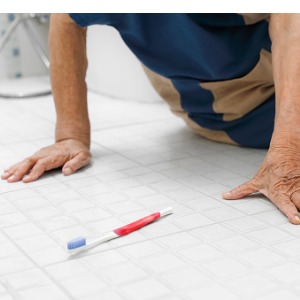
A feature like automatic fall detection can’t protect you from every crack in the sidewalk or slippery tile floor, but it can connect you to help in minutes when you need it most.

Related articles on SafeWise


Disclaimer

Product prices and availability are accurate as of the date/time indicated and are subject to change. Any price and availability information displayed on Amazon at the time of purchase will apply to the purchase of this product. Safewise.com utilizes paid Amazon links.

Certain content that appears on this site comes from Amazon. This content is provided “as is” and is subject to change or removal at any time.

Cathy Habas
Written by
With over 12 years of experience as a content writer, Cathy has a knack for untangling complex information. Her natural curiosity and ability to empathize help Cathy offer insightful, friendly advice. She believes in empowering readers who may not feel confident about a purchase, project, or topic. Cathy earned her Bachelor of Arts degree in English from Indiana University Southeast and began her professional writing career immediately after graduation. She is a certified Safe Sleep Ambassador and has contributed to sites like Safety.com, Reviews.com, Hunker, and Thumbtack. Cathy’s pride and joy is her Appaloosa “Chacos.” She also likes to crochet while watching stand-up comedy specials on Netflix.

Recent Articles

older-hispanic-couple-hiking
The Best Fall Detection Devices
Find the best medical alert systems with fall detection. Compare equipment, price, accuracy, customer reviews,...
A teenager sitting in a bedroom at night, looking at a smartphone with multiple notification icons floating above.
Jury Finds Meta and YouTube Negligent in Landmark Social Media Addiction Case
Meta and YouTube were found negligent in a landmark addiction case. Here’s why it matters...
How Safe Are the Fastest-Growing U.S. Cities?
Does a surge in population lead to a surge in crime? Find out in our...
Package Theft and Cybercrime Are Now the Most Common Crimes in America
State of Safety data shows Americans are more likely to experience package theft and cybercrime...